
A Window Into the Past
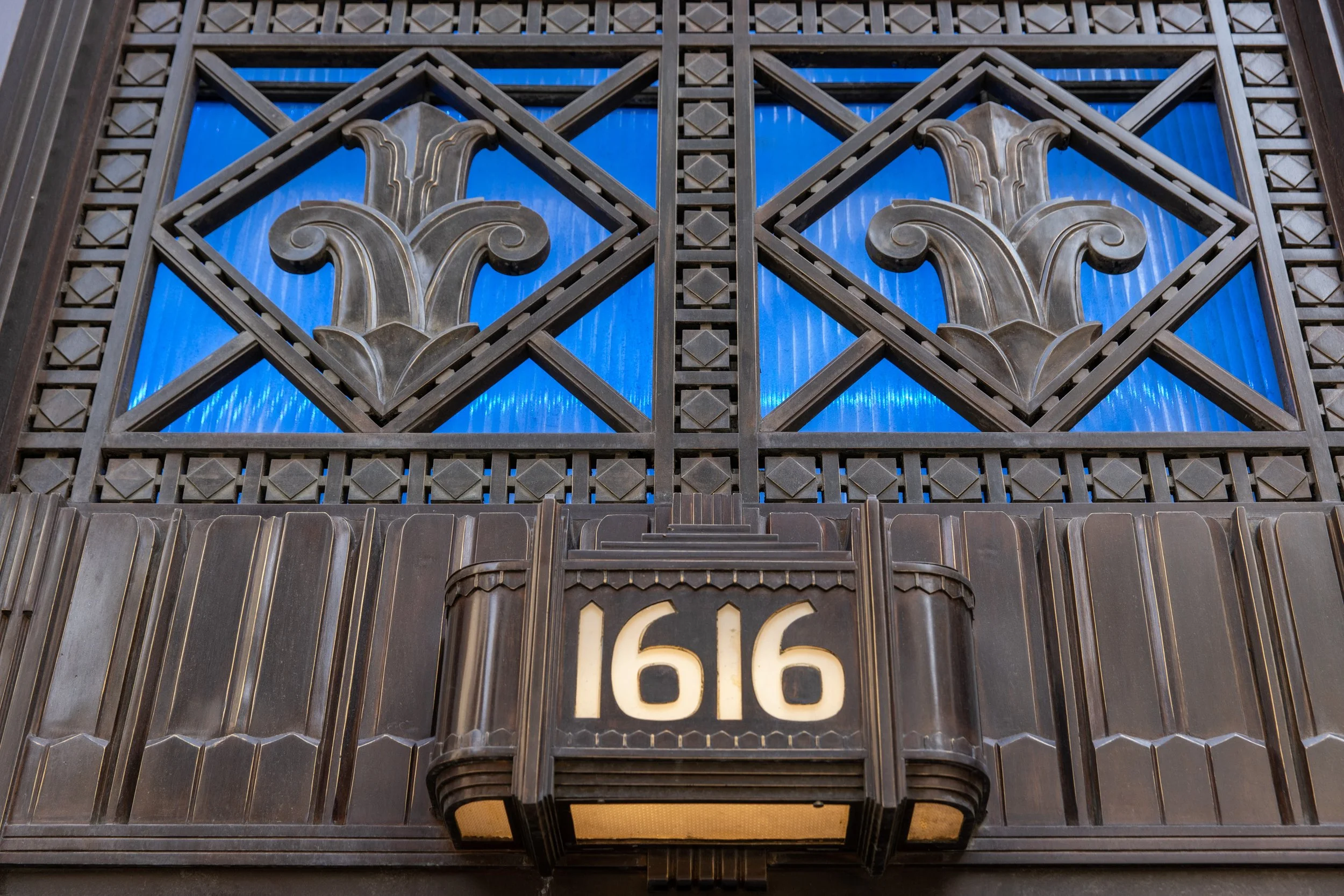
1616 Walnut Street—now the Icon Apartments—may not be an office building anymore, but the original ornate metalwork framing the entrance remains intact.
In my work, I often photograph apartment buildings for the commercial real estate brokers who are trying to sell them. Some are recently built, with ultra-modern amenities and outdoor spaces. It’s fun to see what technology has made possible in newer buildings, but I do enjoy switching things up from the futuristic to the historic.
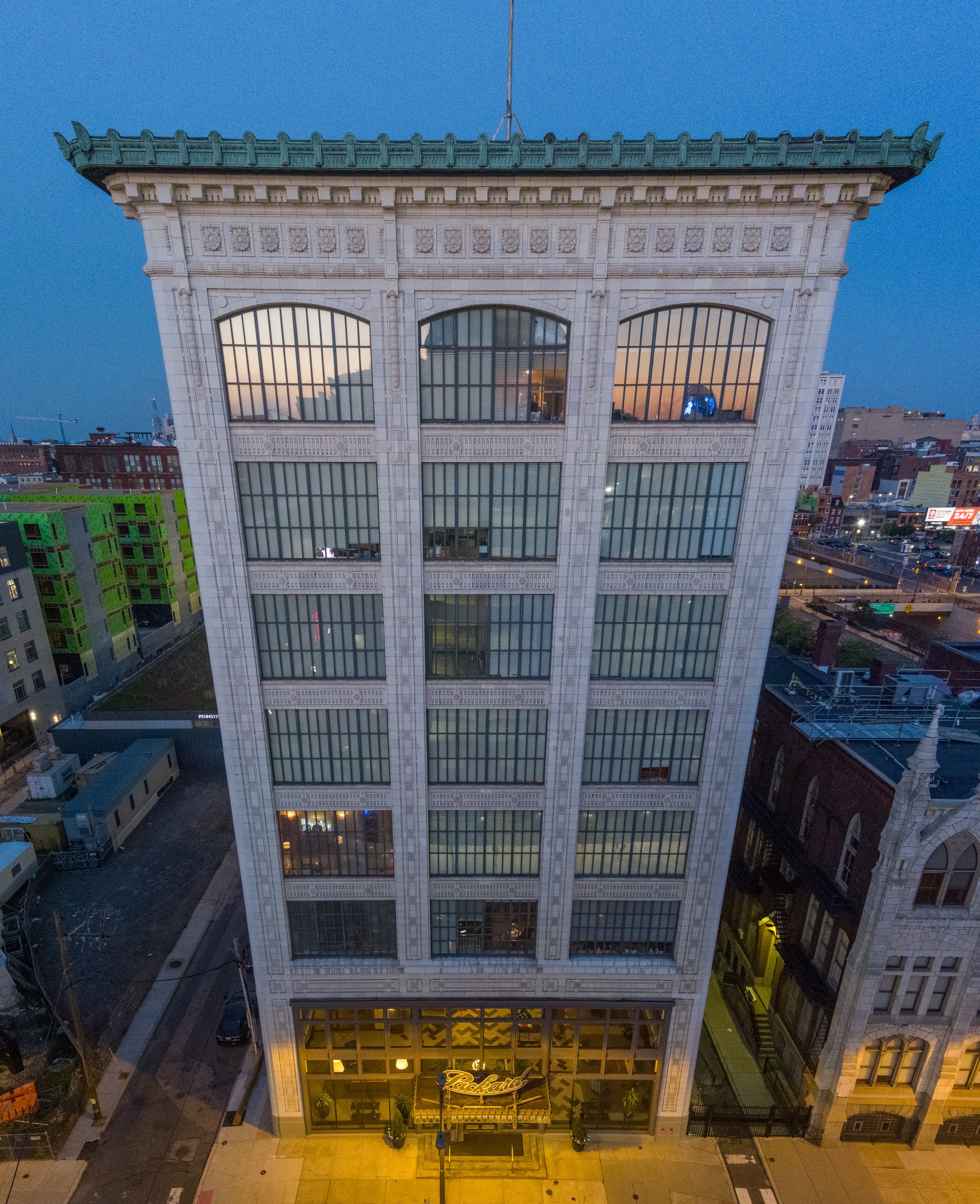
Completed in 1911, the Packard Building in Callowhill originally housed a showroom and new car inventory for the Packard Motor Car Company.
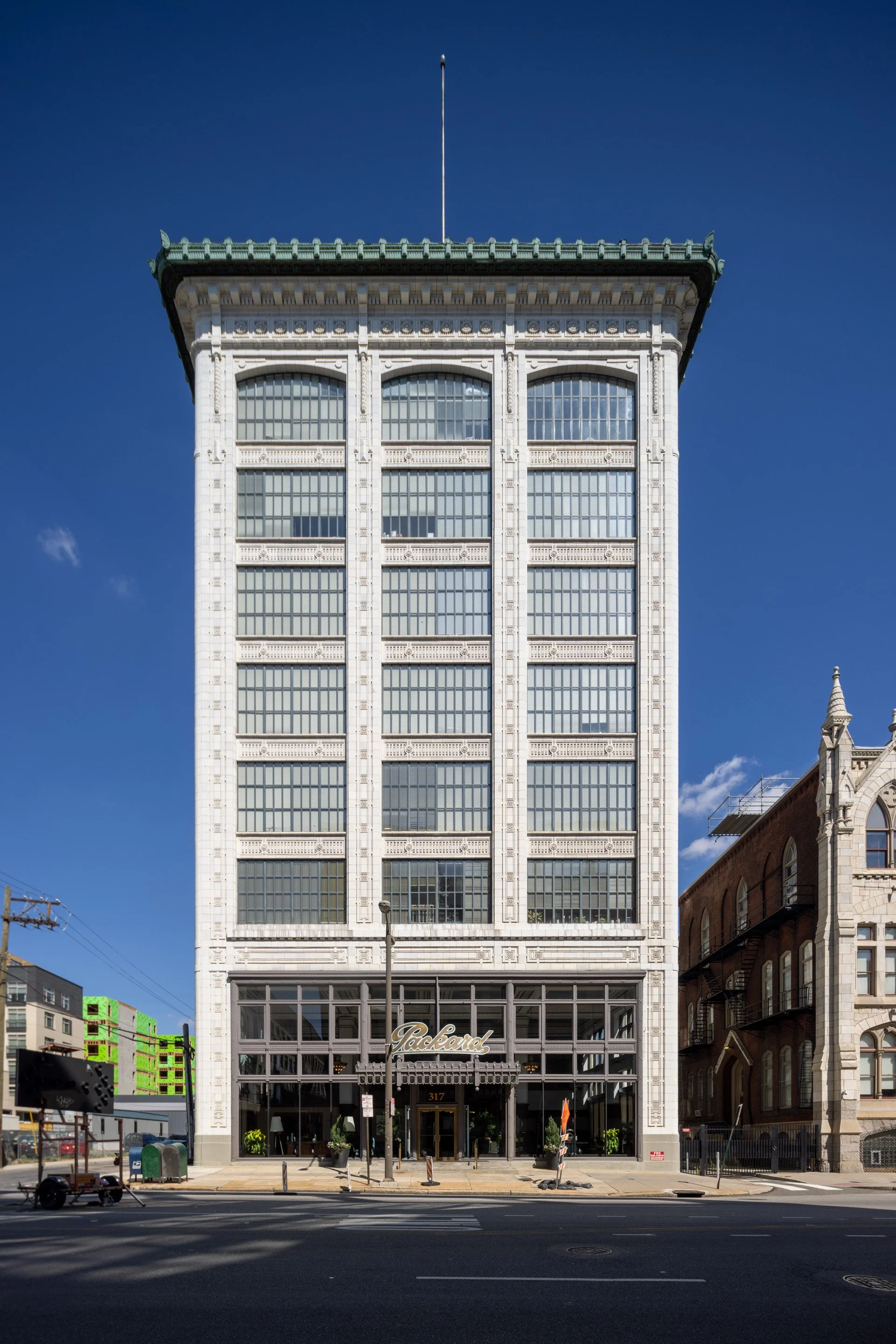
The Packard Building joined the National Register of Historic Places in 1980 and was converted into apartments less than a decade later.
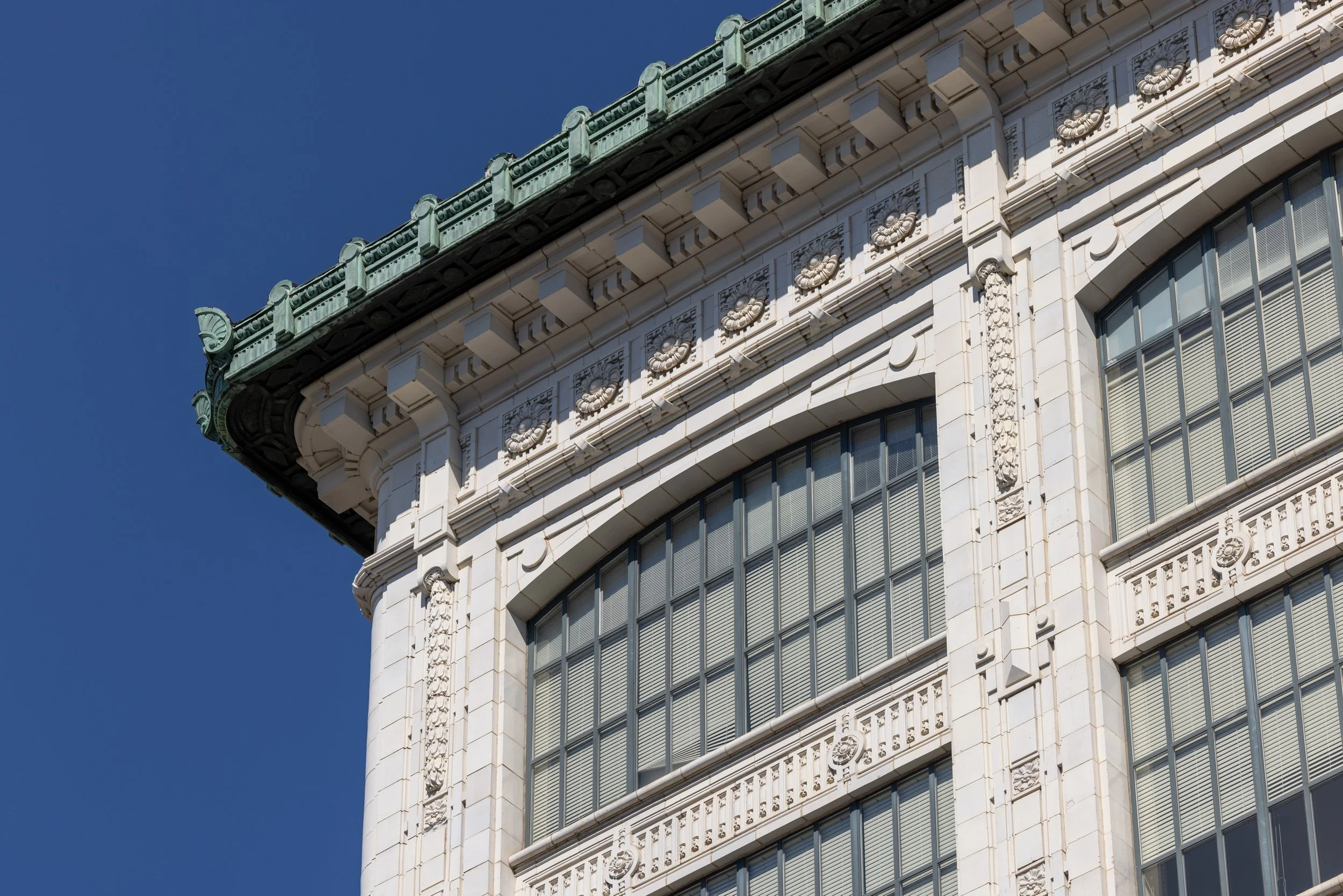
Now, tenants and passersby alike can enjoy the gorgeous terra-cotta façade.
“Pre-war architecture” is a term most commonly associated with New York City, but central Philadelphia is home to many architecturally similar structures built around the same time—between the turn of the 20th century and the beginning of World War II.
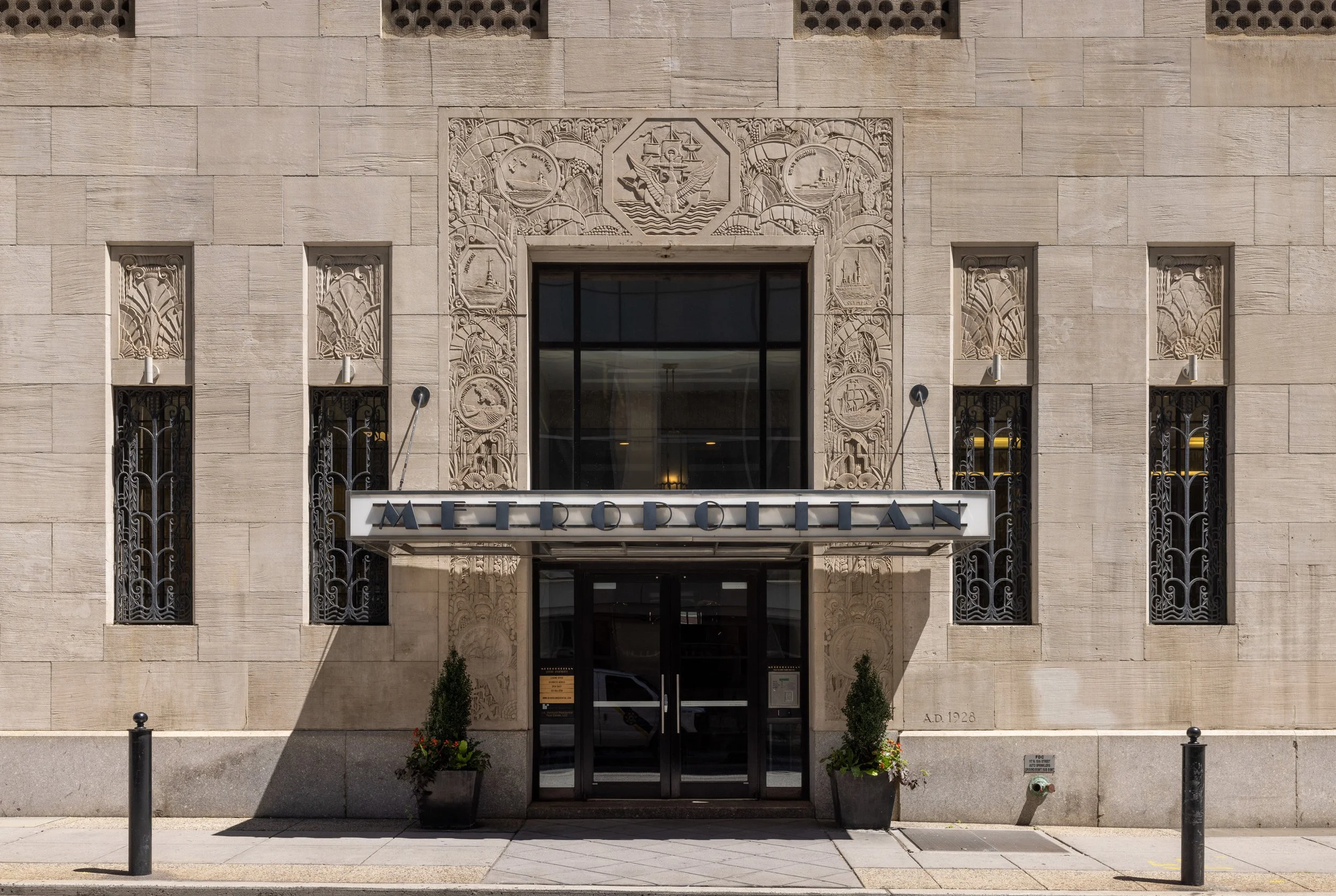
Incised stone details frame the entrance and windows of the Metropolitan in Center City.
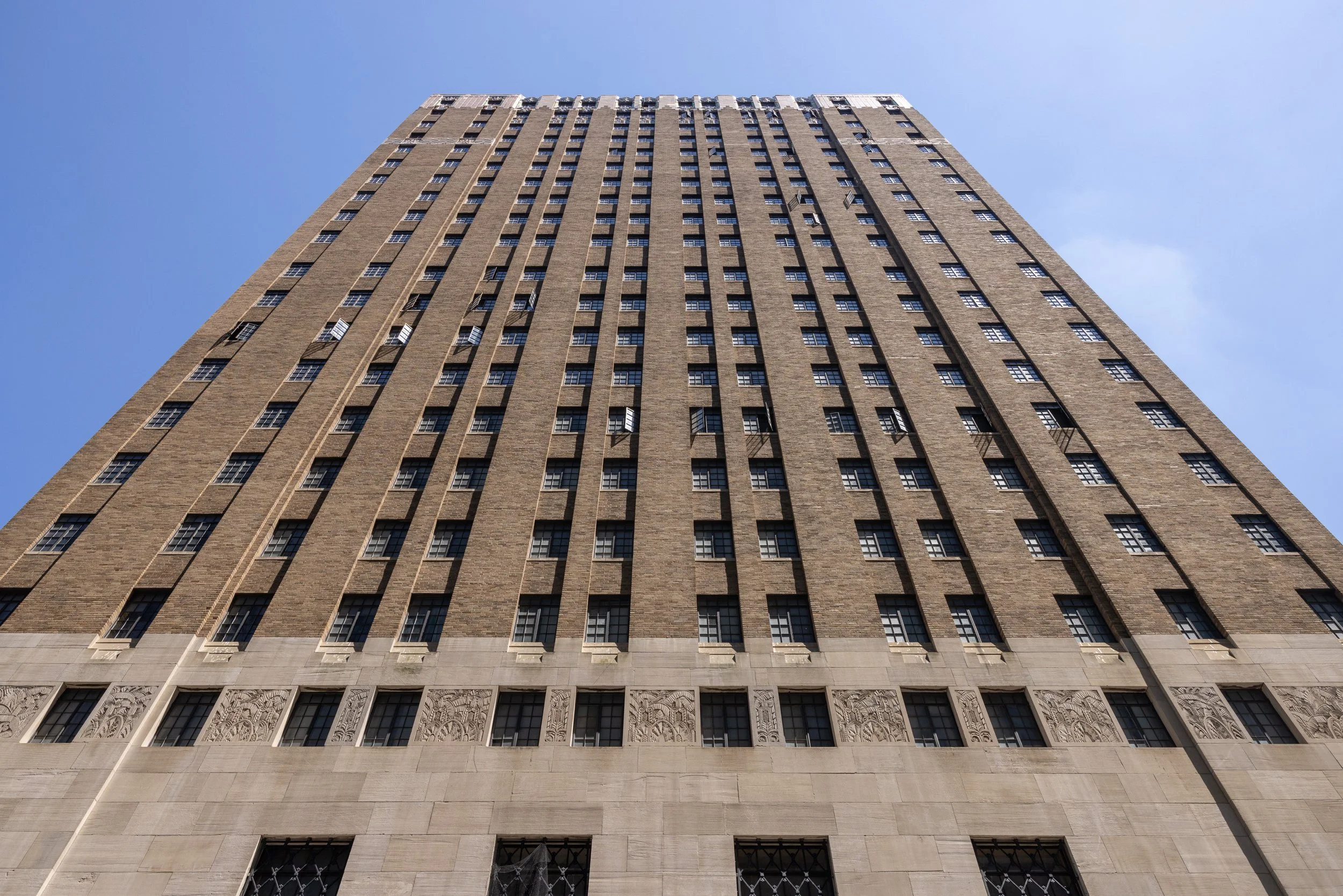
In homage to its roots as the YMCA Armed Forces Building, the now-apartment complex features a state-of-the-art athletic facility for its residents to use.
These charming older buildings have a grandeur that modern apartments lack, from high ceilings to era-specific moldings and ornamentation, and they now serve as a direct link to the past. Bas-relief sculptural details, metal-plated interior features, and decorative cornices evoke a nostalgia not unlike how flapper dresses and cloche hats are reminiscent of the Roaring Twenties.
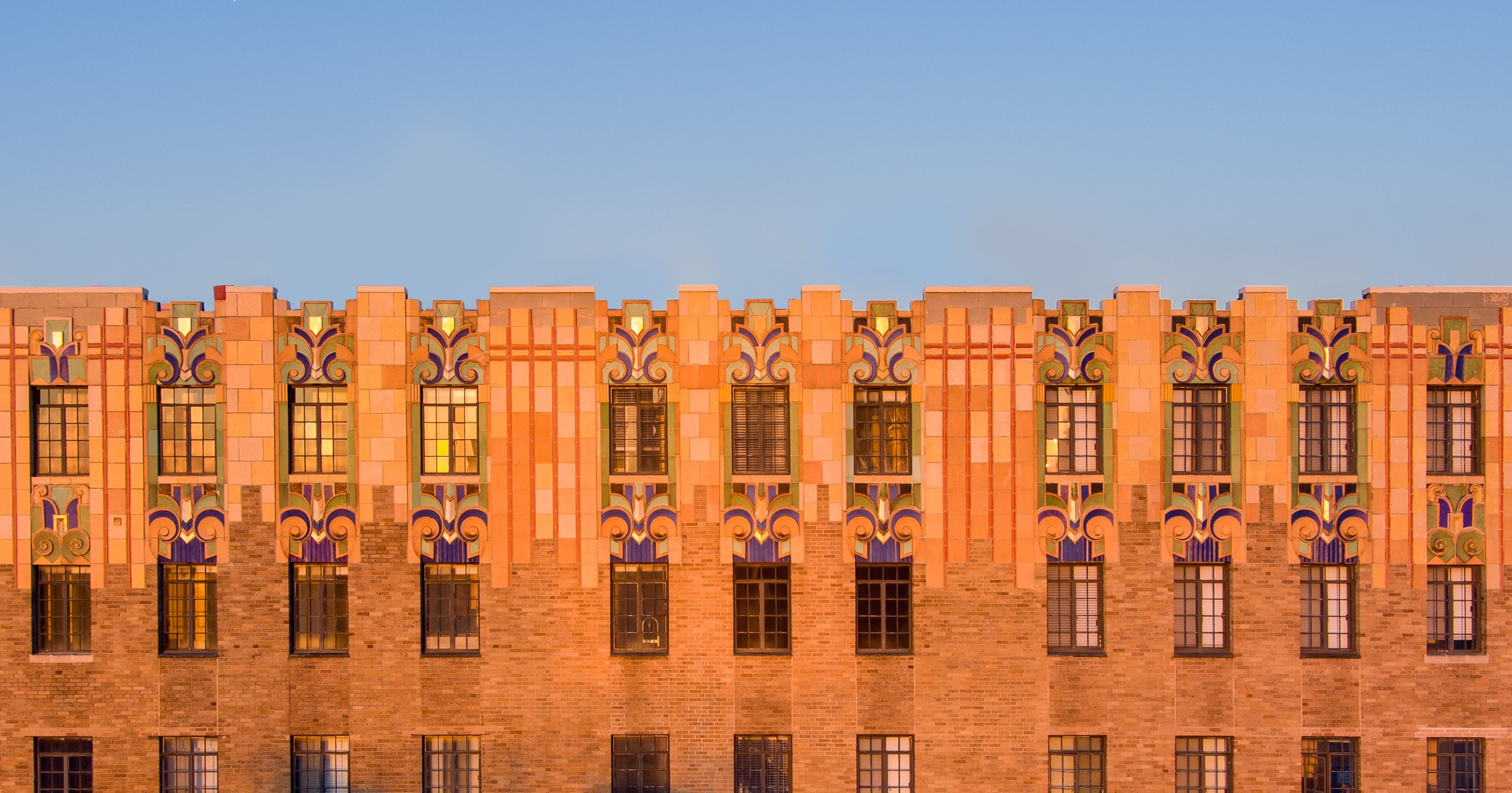
The colorful art deco tiles that line the top of the Metropolitan glow in the light of the setting sun.